In a world where fitness is often synonymous with running shoes, weight racks, and high-intensity classes, millions of people with disabilities face barriers to accessing exercise that meets their unique needs. Adaptive fitness—a tailored approach to physical activity—breaks down these barriers, offering inclusive, creative, and empowering solutions for individuals of all abilities. From modified yoga poses to wheelchair-friendly strength training, adaptive fitness prioritizes accessibility, safety, and joy in movement. This guide explores the transformative power of adaptive fitness, providing actionable strategies, resources, and inspiration to help everyone achieve their health goals.
What Is Adaptive Fitness?
Adaptive fitness refers to exercise programs, equipment, and techniques designed to accommodate physical, sensory, or cognitive disabilities. Unlike traditional fitness, which often assumes a "one-size-fits-all" approach, adaptive fitness:
- Customizes workouts to individual abilities and goals.
- Uses specialized tools (e.g., resistance bands, parallette bars, handcycles).
- Modifies environments to ensure safety and accessibility.
- Emphasizes functional movements that enhance daily living (e.g., transferring from a wheelchair, improving balance).
Whether someone has a spinal cord injury, cerebral palsy, autism, or vision loss, adaptive fitness ensures that exercise is not only possible but also enjoyable and effective.
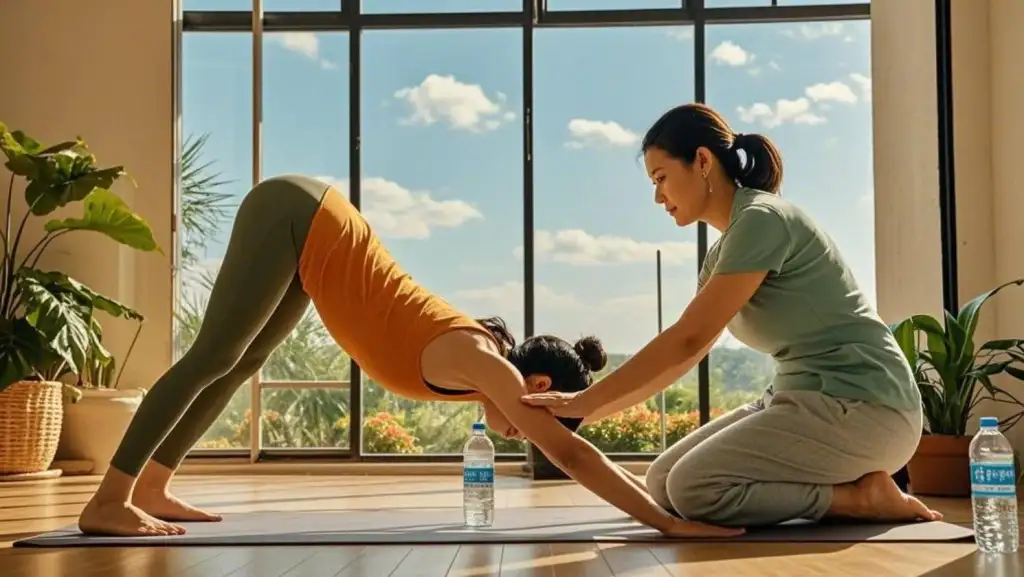
The Benefits of Adaptive Fitness
Physical activity is a cornerstone of health for everyone, but for people with disabilities, the benefits are particularly profound:
- Improved Mobility and Strength: Enhances independence in daily tasks like dressing, cooking, or navigating stairs.
- Pain Management: Reduces chronic pain through gentle movement and muscle strengthening.
- Mental Health: Lowers rates of depression and anxiety by releasing endorphins and fostering social connections.
- Cardiovascular Health: Lowers risks of heart disease, obesity, and diabetes.
- Community and Belonging: Combats isolation through adaptive sports teams or group classes.
According to the CDC, only 44% of adults with disabilities meet aerobic exercise guidelines, compared to 54% of adults without disabilities. Adaptive fitness bridges this gap by making exercise achievable and rewarding.
Tailoring Fitness to Different Disabilities
Adaptive fitness is not a monolith—it’s as diverse as the individuals it serves. Here’s how it addresses various needs:
1. Mobility Impairments (e.g., Spinal Cord Injuries, Amputations)
- Equipment: Wheelchair-accessible machines, resistance bands, and adaptive rowers.
- Exercises:Seated Strength Training: Overhead presses, seated rows, and core rotations.Wheelchair Sports: Basketball, tennis, or racing.Aquatic Therapy: Water buoyancy reduces joint stress while improving range of motion.
2. Visual Impairments or Blindness
- Equipment: Tactile markers, audio-guided apps, and tethers for running.
- Exercises:Yoga with Verbal Cues: Instructors describe poses in detail.Tandem Cycling: Ride with a sighted partner.Boxing with Sound Cues: Use bells or voice prompts to guide punches.
3. Neurological Conditions (e.g., Cerebral Palsy, Parkinson’s)
- Equipment: Stability balls, balance boards, and vibration therapy tools.
- Exercises:Tai Chi: Improves balance and coordination through slow, deliberate movements.Adaptive Dance: Choreography tailored to motor skills.Resistance Band Stretching: Enhances flexibility and spasticity management.
4. Intellectual or Developmental Disabilities (e.g., Autism, Down Syndrome)
- Equipment: Sensory-friendly weights (e.g., colorful, textured dumbbells) and visual schedules.
- Exercises:Obstacle Courses: Develop motor planning and coordination.Group Games: Modified relay races or ball games to encourage social interaction.Swimming: Provides calming sensory input.
5. Chronic Illness or Fatigue (e.g., Multiple Sclerosis, Ehlers-Danlos Syndrome)
- Equipment: Recumbent bikes, seated ellipticals, and compression gear.
- Exercises:Pacing Workouts: Short, frequent sessions (e.g., 10 minutes of gentle yoga).Breathing Exercises: Diaphragmatic breathing to manage stress and energy levels.
The Role of Adaptive Fitness Professionals
Certified adaptive fitness trainers are critical to safe and effective programming. Look for credentials such as:
- Certified Inclusive Fitness Trainer (CIFT) through the American College of Sports Medicine (ACSM).
- Adaptive Specialization from the National Academy of Sports Medicine (NASM).
- Certified Clinical Rehabilitation Provider through the American Council on Exercise (ACE).
These experts assess individual needs, adapt exercises in real time, and collaborate with healthcare providers to align fitness with medical goals.
Innovations in Adaptive Fitness Technology
Cutting-edge tools are revolutionizing accessibility:
- Exoskeletons: Robotic suits enable standing and walking for those with paralysis.
- Virtual Reality (VR): Immersive games motivate users to reach, stretch, or cycle.
- Smart Equipment: Machines with voice control, braille labels, or adjustable settings.
- Apps: Joyn (workouts for all bodies) and PEAR Personal Fitness Coach (adaptive routines).
Success Stories: Adaptive Fitness in Action
Case 1: Maria’s Journey with Paraplegia
After a car accident left Maria with a T10 spinal cord injury, she struggled with weight gain and depression. Through adaptive fitness:
- Routine: Twice-weekly wheelchair HIIT classes and handcycling.
- Results: Lost 20 lbs, regained upper-body strength, and joined a wheelchair rugby team.
Case 2: James, a Teen with Autism
James’s parents worried about his sedentary habits and social skills. By enrolling him in an adaptive PE program:
- Routine: Sensory-friendly swimming and martial arts.
- Results: Improved coordination, made friends, and discovered a passion for kayaking.
How to Find or Create an Adaptive Fitness Program
1. Explore Local Resources
- Gyms: Look for facilities with ADA-compliant equipment and trained staff.
- Community Centers: Many offer subsidized adaptive yoga or aquatics.
- Nonprofits: Organizations like Move United and Special Olympics provide sports leagues.
2. Work Out at Home
- Online Programs: Adaptive Exercise (YouTube) and NCHPAD offer free routines.
- DIY Modifications: Use household items (e.g., soup cans as weights, chairs for support).
3. Advocate for Inclusion
- Request accommodations at local gyms (e.g., adjustable benches, ramp access).
- Partner with trainers to educate gym staff on disability awareness.
Overcoming Myths About Adaptive Fitness
- Myth: “People with disabilities can’t exercise vigorously.”Truth: Adaptive athletes compete in marathons, powerlifting, and CrossFit.
- Myth: “Adaptive equipment is too expensive.”Truth: Many tools are low-cost (e.g., resistance bands, foam rollers) or covered by insurance.
- Myth: “Adaptive fitness is only for young people.”Truth: Programs exist for all ages, from children to seniors.

Safety First: Guidelines for Success
- Consult Healthcare Providers: Ensure exercises align with medical conditions.
- Start Slow: Gradually increase intensity to avoid overexertion.
- Use Spotters: For balance or mobility concerns, have a partner assist.
- Listen to Your Body: Rest if you experience pain or dizziness.
The Future of Adaptive Fitness
The fitness industry is increasingly embracing inclusivity, driven by advocacy and innovation. Trends to watch:
- Mainstream Integration: More gyms offering adaptive personal training.
- Policy Changes: Stricter enforcement of ADA standards in fitness spaces.
- Wearable Tech: Devices that monitor vitals and adjust workouts in real time.
Resources to Get Started
- Organizations:National Center on Health, Physical Activity and Disability (NCHPAD)Disabled Sports USAAdaptive Training Foundation
- Equipment Retailers:Fitness for All (adaptive weights, benches)Rehanastyle (sensory-friendly activewear)
Conclusion
Adaptive fitness is more than a workout—it’s a movement toward equity, dignity, and joy in movement. By embracing creativity, technology, and community, individuals with disabilities can redefine what’s possible for their health and well-being. Whether you’re exploring seated Pilates, joining a blind soccer league, or advocating for inclusive gyms, remember: every body deserves the chance to move, thrive, and belong. The road to empowerment begins with a single step, roll, or stretch.


