Building muscle doesn’t have to come with a hefty price tag. Whether you’re a college student, a busy professional, or just someone trying to get stronger without breaking the bank, the good news is this: you can absolutely build muscle on a budget. One of the most common dilemmas people face is choosing between going to the gym or working out at home. Each has its advantages, and in this article, we’ll break down both options to help you make the most affordable and effective decision for your muscle-building journey.
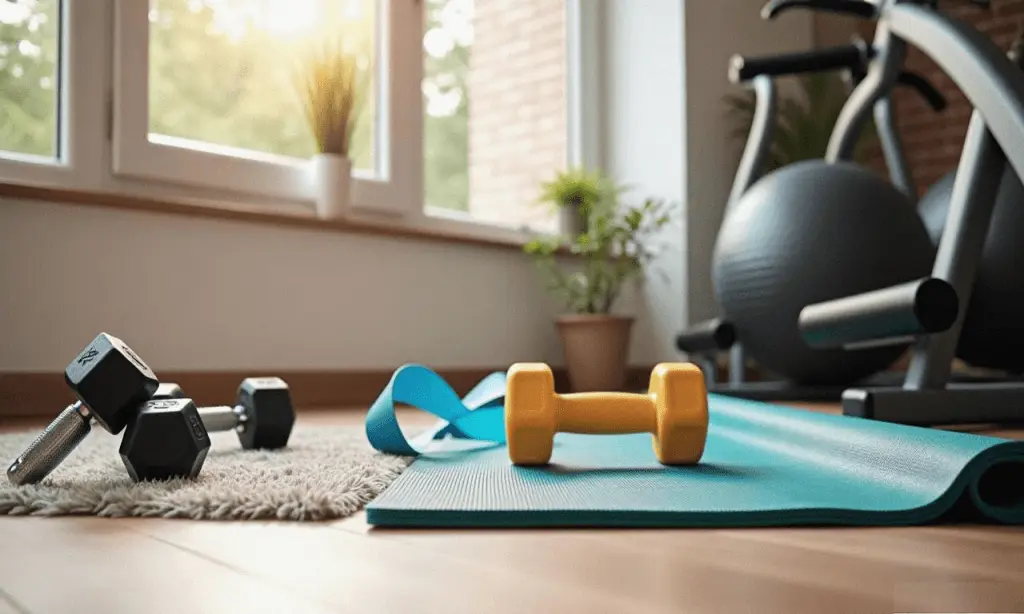
The fitness industry often promotes the idea that expensive gym memberships, fancy supplements, and high-tech equipment are necessary to build muscle. But in reality, your body responds to resistance and consistency, not the price tag of your equipment.
Muscle growth (aka hypertrophy) depends on:
These three pillars can be achieved on almost any budget — you just need the right plan and mindset.
Training at home is often the most affordable route, especially if you’re just starting out. Here's what makes it a strong option for budget-conscious individuals:
To build muscle at home, all you really need are:
Bodyweight exercises like push-ups, squats, lunges, and planks are incredibly effective. Add a backpack filled with books, water jugs, or other heavy objects for resistance. As your strength increases, you can invest gradually in equipment like dumbbells or kettlebells.
One of the biggest advantages of home workouts is zero recurring cost. A basic home setup might cost you $50–$100 initially, but it’s a one-time investment. Compare that to gym memberships, which can range from $30 to $100+ per month.
You get to set the vibe. Whether you like blasting music, working out in peace, or watching YouTube workout guides, you control the space. This can help you stay consistent, especially if social anxiety or schedule restrictions make going to a gym difficult.
While home training is cheaper, gyms have unique advantages that could be worth the monthly fee — especially if you're serious about gaining muscle fast.
Most home setups can’t match the wide variety of equipment gyms offer. Cable machines, barbells, squat racks, and leg presses allow for more targeted muscle growth and heavier lifting. If you're aiming for size and strength, these tools help accelerate progress.
For many, the energy of a gym helps with focus and drive. Being surrounded by like-minded individuals can push you to train harder and stay consistent — two of the biggest keys to muscle growth.
Plateauing in your workouts is a real thing. Gyms offer more variety in terms of equipment and workout structure, which keeps things fresh and keeps your muscles guessing.
Muscle isn’t built just in the gym — your kitchen plays an even bigger role. The good news? You don’t need fancy protein powders or $15 smoothies to gain size. Here's how to eat big on a budget:
You don’t need steak every day. Here are affordable options:
Aim for 1.6–2.2g of protein per kg of body weight per day. Spread it across 3–5 meals to optimize muscle protein synthesis.
Carbs give you the energy to train harder. Affordable, muscle-building carbs include:
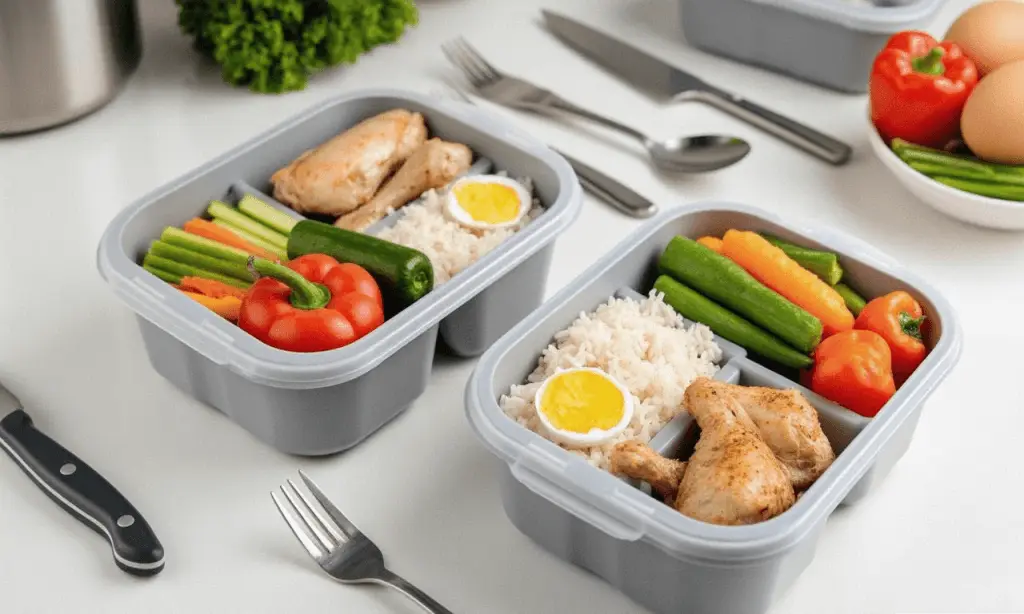
Cook in bulk. A weekly meal prep routine saves you money, time, and helps you avoid impulsive fast food. Freeze leftovers, prep snacks, and always have something high-protein ready to go.
| Feature | Home | Gym |
|---|---|---|
| Cost | Low (one-time) | Medium to High (monthly) |
| Equipment Variety | Limited | Extensive |
| Convenience | High | Medium (travel needed) |
| Progression Potential | Moderate (unless well-equipped) | High (more weights available) |
| Motivation | Self-driven | Often externally boosted |
Choose home workouts if:
Choose gym workouts if:
The best part? You can combine both. Use the gym when it's accessible and supplement with home workouts when your schedule or budget doesn’t allow for gym visits.
At the end of the day, the best workout plan is the one you stick to. You don’t need a $200/month fitness membership or the latest supplements to see results. You just need a plan, a schedule, and consistency.
If you train 3–5 times a week, prioritize your recovery, and fuel your body properly — whether at home or in the gym — you will build muscle over time. Stay consistent, track your progress, and don’t forget to enjoy the process.
This article is for informational purposes only and is not intended to provide medical or professional fitness advice. Before starting any exercise or nutrition program, consult a qualified health or fitness professional, especially if you have any pre-existing health conditions or injuries.
Olivia
|
2025.04.07


