The teenage years are a critical period for physical and mental development. Regular exercise during this time not only supports healthy growth but also instills habits that can last a lifetime. However, teens face unique challenges: busy school schedules, social pressures, and the lure of screens often compete with physical activity. Crafting a fitness plan tailored to a teenager’s needs, interests, and goals can empower them to stay active, reduce stress, and build self-esteem. This guide breaks down how to design a safe, effective, and engaging fitness plan for teens—whether they’re aspiring athletes or total beginners.
Why Teen Fitness Matters
Adolescence is a time of rapid growth, hormonal changes, and brain development. Exercise plays a pivotal role in:
- Physical Health: Strengthening bones, muscles, and the cardiovascular system.
- Mental Health: Reducing anxiety, depression, and ADHD symptoms through endorphin release.
- Academic Performance: Improving focus, memory, and cognitive function (Journal of Pediatrics).
- Social Skills: Fostering teamwork, leadership, and communication through sports.
Yet, according to the CDC, only 24% of teens meet the recommended 60 minutes of daily physical activity. A structured fitness plan can bridge this gap while accommodating a teen’s evolving interests and schedule.
Step 1: Assess Interests and Goals
Before designing a plan, understand the teen’s preferences, fitness level, and aspirations. Ask:
- What activities do they enjoy? Team sports? Dancing? Hiking?
- What are their goals? Building strength, losing weight, training for a sport, or general health?
- What’s their current fitness level? Can they run a mile? Do 10 push-ups?
- What barriers exist? Time constraints, self-consciousness, or lack of access to equipment?
Example: A 15-year-old who loves basketball but wants to improve endurance might focus on agility drills and cardio. A sedentary teen intimidated by gyms could start with home workouts or walking.
Step 2: Set SMART Goals
Teens thrive with clear, achievable objectives. Use the SMART framework:
- Specific: “Improve mile time by 1 minute in 8 weeks.”
- Measurable: Track progress with apps, journals, or fitness tests.
- Achievable: Start with 3 days/week, not 7.
- Relevant: Align with their interests (e.g., strength for football tryouts).
- Time-Bound: “Do 20 push-ups in 6 weeks.”
Avoid: Vague goals like “get fit” or unrealistic targets (e.g., “gain 10 lbs of muscle in a month”).
Step 3: Choose Age-Appropriate Activities
Teens are still growing, so their workouts should prioritize safety, variety, and fun. The ideal plan includes:
1. Aerobic Exercise (3–5 Days/Week)
- Options: Running, cycling, swimming, dance, soccer, or brisk walking.
- Duration: 30–60 minutes daily.
- Tip: Mix moderate-intensity (e.g., jogging) with vigorous activity (e.g., sprints).
2. Strength Training (2–3 Days/Week)
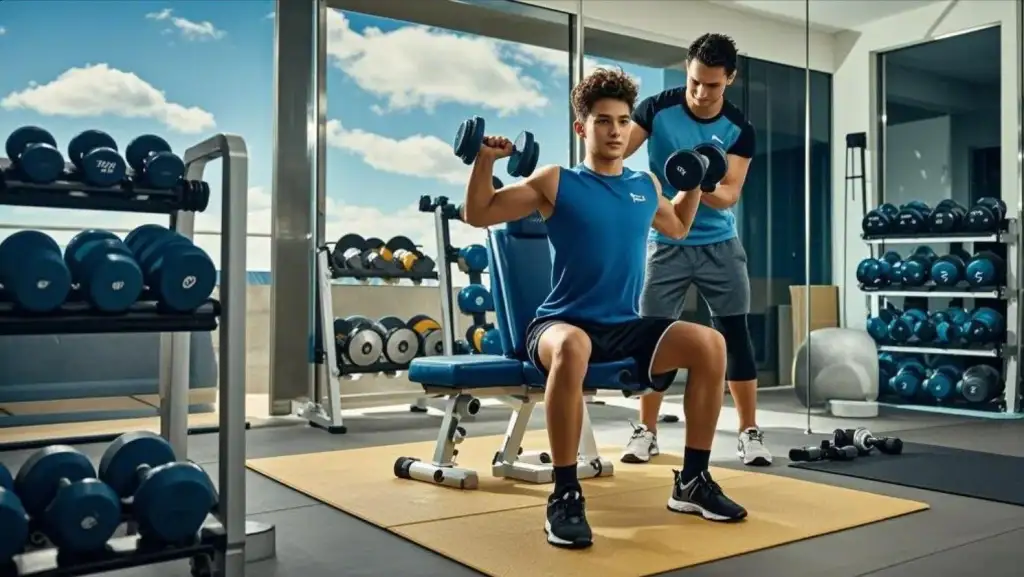
- Safe Practices:Focus on bodyweight exercises (push-ups, squats, planks) before adding weights.Use light resistance bands or dumbbells (if cleared by a doctor).Avoid maximal lifts (e.g., 1-rep maxes) until growth plates close (late teens).
- Sample Routine:Push-Ups: 3 sets of 10–15 reps.Bodyweight Squats: 3 sets of 15–20 reps.Plank: 3 holds of 30–60 seconds.
3. Flexibility and Mobility (Daily)
- Why: Prevents injury and improves posture.
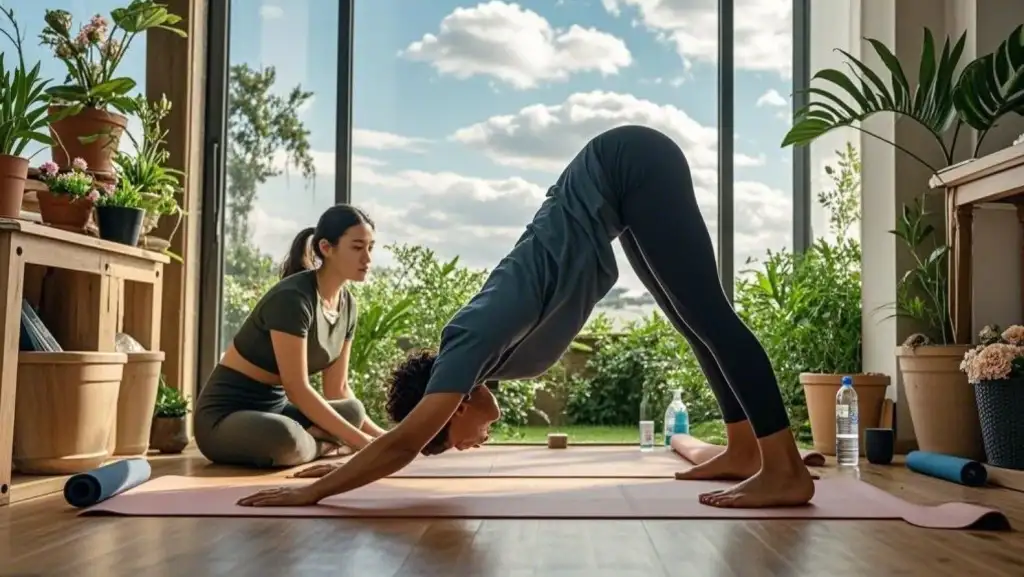
- Activities: Yoga, dynamic stretching, or post-workout static stretches.
4. Skill Development
- Sports-Specific Drills: Dribbling for basketball, footwork for soccer.
- Recreational Skills: Skateboarding, rock climbing, or martial arts.
5. Rest and Recovery
- Sleep: Teens need 8–10 hours nightly for muscle repair and growth.
- Active Recovery: Light walks, swimming, or foam rolling on rest days.
Step 4: Design a Weekly Schedule
Balance workouts with school, homework, and social time. Here’s a sample plan for a 16-year-old aiming to build general fitness:
| Day | Activity | Duration |
| Monday | Strength training (bodyweight circuits) | 45 minutes |
| Tuesday | Soccer practice or cycling | 60 minutes |
| Wednesday | Yoga/stretching + light jog | 30 minutes |
| Thursday | Strength training (resistance bands) | 45 minutes |
| Friday | Dance class or basketball with friends | 60 minutes |
| Saturday | Hiking or swimming | 60 minutes |
| Sunday | Rest or leisurely walk | – |
Step 5: Prioritize Safety
Teens are prone to overuse injuries (e.g., stress fractures) and risky behaviors. Mitigate risks by:
- Warming Up: 5–10 minutes of dynamic stretches (leg swings, arm circles).
- Using Proper Form: Work with a coach or use apps like Coach’s Eye for feedback.
- Hydrating: Drink water before, during, and after workouts.
- Recognizing Overtraining Signs: Chronic fatigue, irritability, or declining performance.
- Avoiding Supplements: Protein powder is safe, but steer clear of pre-workouts or steroids.
Step 6: Fuel for Performance
Teens need extra nutrients to support growth and activity. Emphasize:
- Protein: 1.2–1.6g/kg of body weight (chicken, eggs, Greek yogurt).
- Complex Carbs: Whole grains, fruits, and veggies for sustained energy.
- Healthy Fats: Avocados, nuts, and olive oil for brain health.
- Calcium and Vitamin D: Dairy or fortified plant milk for bone strength.
Sample Meal Plan for Active Teens:
- Breakfast: Oatmeal with berries + scrambled eggs.
- Snack: Apple with almond butter.
- Lunch: Grilled chicken wrap + baby carrots + hummus.
- Post-Workout: Chocolate milk + banana.
- Dinner: Salmon, quinoa, and steamed broccoli.
Step 7: Keep It Fun and Engaging
Boredom is the enemy of consistency. Use these strategies to maintain motivation:
- Try New Activities: Monthly challenges (e.g., “30-day yoga journey”).
- Gamify Fitness: Use apps like Zombies, Run! or fitness trackers with badges.
- Group Workouts: Join a sports team, dance crew, or fitness class.
- Reward Progress: Non-food rewards like new gear or a weekend outing.
Step 8: Involve Parents and Mentors
Supportive adults can:
- Model Active Lifestyles: Family hikes, bike rides, or yoga sessions.
- Provide Resources: Gym memberships, equipment, or classes.
- Encourage, Don’t Pressure: Focus on effort, not weight loss or scholarships.
Case Study: From Couch to Confidence
Background: Alex, 14, struggled with weight gain and low self-esteem.
Plan:
- Weeks 1–4: 20-minute home workouts (bodyweight exercises + dance videos).
- Weeks 5–8: Joined a recreational swim team 3x/week.
- Weeks 9–12: Added weekend hikes and protein-rich snacks.Results: Alex lost 8 lbs, gained muscle, and signed up for a 5K with friends.
FAQs
Q: Can teens build muscle without weights?
A: Yes! Bodyweight exercises, resistance bands, and sports like gymnastics promote strength.
Q: How much exercise is too much?
A: More than 2 hours/day of intense training may risk burnout or injury. Balance is key.
Q: Are gyms safe for teens?
A: Yes, with supervision and proper instruction. Many gyms offer teen-specific programs.
Q: What if my teen hates sports?
A: Focus on non-competitive activities: geocaching, martial arts, or fitness gaming.
Conclusion
Creating a fitness plan for teens isn’t about crafting the “perfect” routine—it’s about fostering a positive relationship with movement that adapts to their changing lives. By combining their interests with SMART goals, safety practices, and proper nutrition, you can help them build resilience, confidence, and a foundation for lifelong health. Remember, the best plan is one they’ll actually follow. Celebrate small wins, stay flexible, and keep the focus on joy, not just results. After all, fitness is a journey, not a destination.


