A plant-based diet offers numerous health benefits, including improved heart health, better digestion, and a reduced environmental footprint. However, one common concern for those following a vegetarian or vegan lifestyle is ensuring they consume enough protein. While animal products are rich protein sources, you can meet your protein needs through various plant-based foods with proper planning. This guide will help you understand protein requirements, highlight the best plant-based protein sources, and offer practical tips for optimizing your intake.
Protein is essential for muscle repair, immune function, hormone production, and overall cellular health. Your protein requirements vary depending on age, activity level, and specific fitness goals.
General Protein Guidelines:
For example, an active individual weighing 70 kg (154 lbs) would need approximately 84-140 g of protein daily.
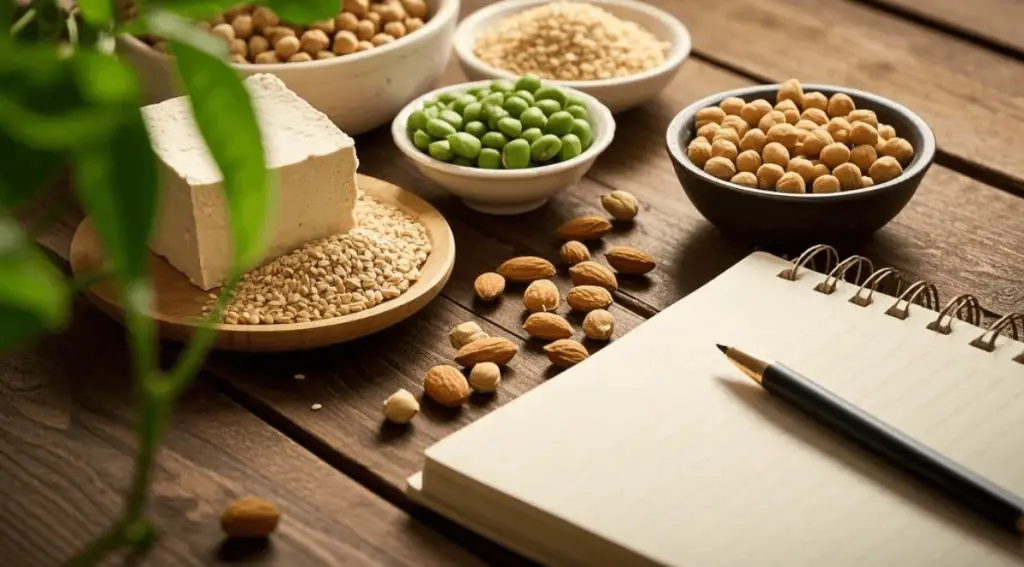
A well-balanced plant-based diet includes a variety of protein-rich whole foods. Here are some of the best sources:
Tip: Add legumes to salads, soups, and stews for an easy protein boost.
Tip: Use tofu as a meat substitute in stir-fries or marinate tempeh for grilling.
Tip: Replace rice with quinoa for a higher protein content in meals.
Tip: Sprinkle seeds on smoothies, oatmeal, or salads for added protein and healthy fats.
Tip: Use protein powders in smoothies or post-workout shakes to meet daily protein targets.
Most plant proteins are incomplete, meaning they lack one or more essential amino acids. However, by combining different plant foods throughout the day, you can obtain all essential amino acids.
Smart Protein Pairings:
Tip: You don’t need to combine proteins in every meal—eating a variety of foods throughout the day will suffice.
A strategic approach to meal planning ensures you meet your daily protein goals. Here’s a sample high-protein plant-based meal plan:
Breakfast:
Snack:
Lunch:
Snack:
Dinner:
Total Daily Protein: Approximately 140 g
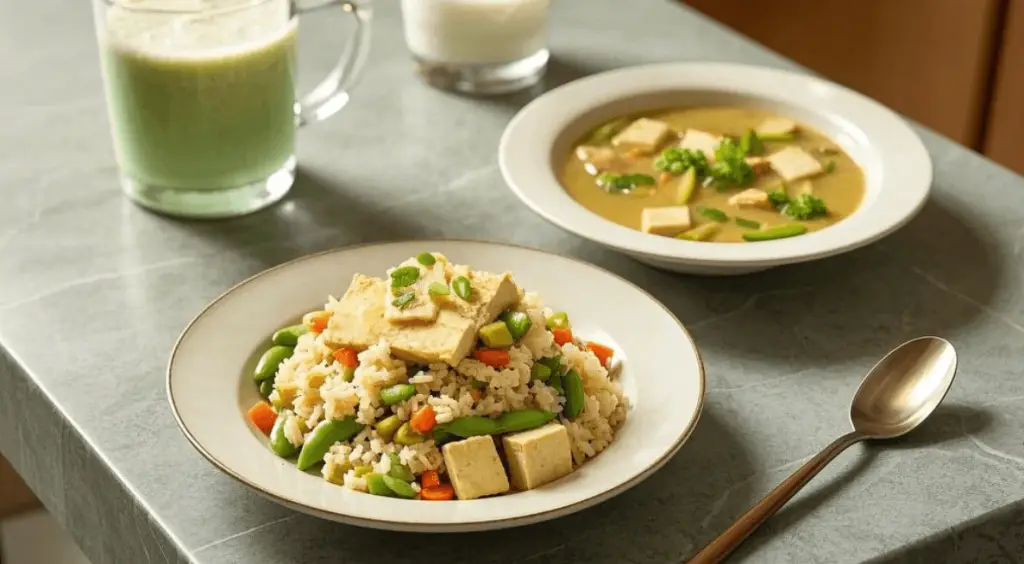
1. Concern About Protein Deficiency: A well-planned plant-based diet can provide sufficient protein if you prioritize diverse sources and monitor intake.
2. Eating Out: Choose restaurants offering plant-based options like tofu dishes, bean-based meals, and grain bowls.
3. Budget Considerations: Buy legumes, grains, and tofu in bulk to keep costs low while meeting protein needs.
Getting enough protein on a plant-based diet is achievable with thoughtful planning and a diverse selection of protein-rich foods. By incorporating a variety of legumes, grains, soy products, nuts, and seeds, you can meet your daily protein requirements and support your fitness goals. Consistency is key—focus on nutrient-dense, whole foods to thrive on a plant-based lifestyle.
wendy
|
2025.03.20


