When it comes to weight loss, choosing the right diet can make all the difference. Among the most popular diets are the ketogenic (keto) and paleolithic (paleo) diets. Both focus on whole, unprocessed foods but differ significantly in their macronutrient composition and dietary restrictions. In this article, we'll compare keto and paleo diets to help you determine which one may be more effective for weight loss.
Understanding the Keto Diet
The ketogenic diet is a low-carbohydrate, high-fat diet designed to induce a metabolic state called ketosis. In ketosis, your body burns fat for energy instead of carbohydrates.
Key Principles of the Keto Diet:
- Macronutrient Ratio: About 70-80% fat, 15-20% protein, and 5-10% carbohydrates.
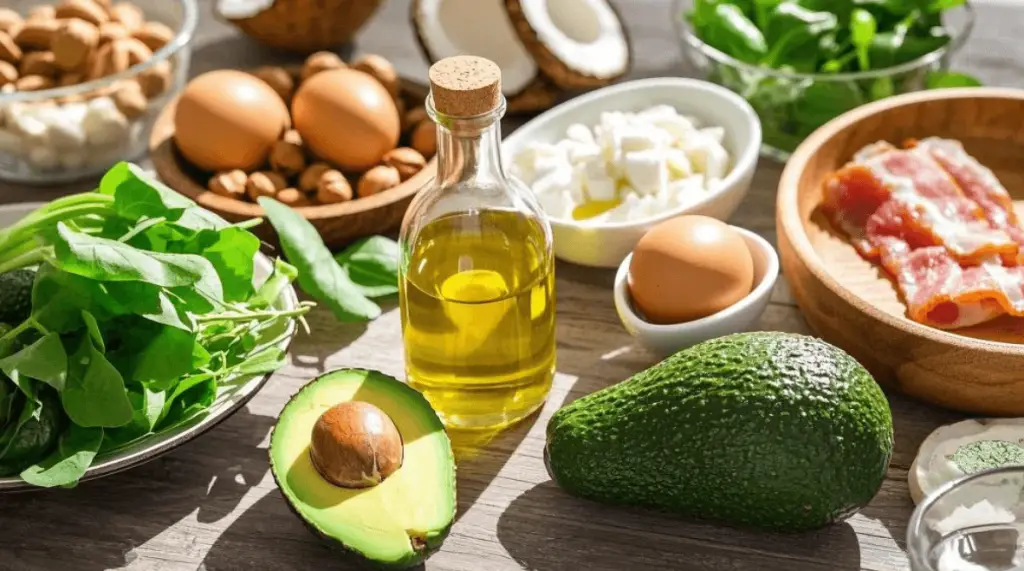
- Allowed Foods: Meat, fish, eggs, low-carb vegetables (e.g., leafy greens), nuts, seeds, avocados, and healthy fats like olive oil and coconut oil.
- Restricted Foods: Grains, starchy vegetables, sugar, most fruits, legumes, and processed foods.
How the Keto Diet Supports Weight Loss:
- Increased Fat Burning: Ketosis shifts your body from burning carbohydrates to burning stored fat.
- Appetite Control: High-fat and moderate-protein intake may reduce hunger and cravings.
- Reduced Insulin Levels: Low-carb intake helps stabilize blood sugar and may improve insulin sensitivity.
Understanding the Paleo Diet
The paleo diet, also known as the "caveman diet," emphasizes eating foods that our ancestors may have consumed during the Paleolithic era. It focuses on whole, unprocessed foods while avoiding modern agricultural products.
Key Principles of the Paleo Diet:
- Allowed Foods: Lean meats, fish, fruits, vegetables, nuts, seeds, and natural oils (e.g., coconut oil, olive oil).
- Restricted Foods: Grains, legumes, dairy, refined sugar, processed foods, and artificial additives.
How the Paleo Diet Supports Weight Loss:
- Nutrient-Dense Foods: Emphasis on whole, unprocessed foods may lead to a lower calorie intake.
- Improved Digestion: Avoiding processed foods and dairy can alleviate digestive issues and inflammation.
- Balanced Blood Sugar: Reduced intake of refined carbohydrates may prevent spikes and crashes in blood sugar levels.
Comparing Keto and Paleo for Weight Loss
- Macronutrient Composition:Keto Diet: High fat, very low carbohydrate, moderate protein.Paleo Diet: Balanced macronutrients with a focus on whole foods, but no strict carbohydrate limit.
- Fat Burning Mechanism:Keto: Puts your body into ketosis, where it burns fat as its primary fuel source.Paleo: Supports weight loss through calorie reduction and improved food quality but does not induce ketosis.
- Sustainability and Lifestyle:Keto: Requires strict carb limitation, which may be challenging for long-term adherence.Paleo: More flexible and easier to follow but may limit some food groups (e.g., grains and legumes).
- Appetite Control:Keto: High-fat intake promotes satiety and may reduce appetite.Paleo: High-protein, fiber-rich foods help you feel full but may not suppress hunger as effectively as keto.
- Weight Loss Speed:Keto: May lead to rapid initial weight loss due to water loss and fat burning.Paleo: Provides gradual, sustainable weight loss through improved food choices and reduced calorie intake.
Pros and Cons of Each Diet
Keto Diet
Pros:
- Rapid initial weight loss.
- May improve insulin sensitivity and blood sugar control.
- Effective appetite suppression.
Cons:
- Difficult to sustain long-term due to carb restriction.
- Risk of nutrient deficiencies (e.g., fiber, vitamins from fruits and grains).
- Possible side effects (e.g., "keto flu," fatigue, digestive issues).
Paleo Diet
Pros:
- Focuses on nutrient-dense, whole foods.
- Easier to follow long-term due to fewer restrictions.
- May reduce inflammation and digestive issues.

Cons:
- No specific mechanism to induce ketosis.
- Restricts healthy food groups (e.g., whole grains and legumes).
- Can be expensive due to emphasis on organic and grass-fed products.
Which Diet is Better for Weight Loss?
The best diet for weight loss depends on your preferences, lifestyle, and how your body responds to each approach:
- Choose the Keto Diet If:You want rapid weight loss and are willing to follow strict carbohydrate limits.You are comfortable eating high-fat foods and prefer structured eating plans.You have conditions like insulin resistance or type 2 diabetes that may benefit from low-carb intake.
- Choose the Paleo Diet If:You prefer a more balanced approach without tracking macronutrients.You want to focus on whole, unprocessed foods without eliminating all carbs.You value a sustainable, long-term eating pattern.
Combining Keto and Paleo: Is It Possible?
Some people adopt a "Keto-Paleo" hybrid, which combines principles from both diets. This approach emphasizes whole, unprocessed, and low-carb foods while maintaining ketosis. For example, you might follow keto's macronutrient guidelines while sticking to paleo-approved food sources.
Sample Keto-Paleo Foods:
- Grass-fed meat, wild-caught fish
- Non-starchy vegetables (e.g., leafy greens, cauliflower)
- Healthy fats (e.g., coconut oil, avocado)
- Nuts and seeds (in moderation)
Final Thoughts
Both the keto and paleo diets offer effective pathways to weight loss, but their mechanisms and sustainability vary. If rapid fat burning and appetite control are your priorities, the keto diet may be ideal. If you prefer a balanced, whole-foods approach with fewer restrictions, the paleo diet is a great option. Ultimately, the best diet is the one you can maintain long-term while supporting your health and fitness goals.


