
Low-Impact Exercises for Seniors
As we age, staying active becomes increasingly vital for maintaining independence, mobility, and overall health. However, high-impact exercises like running, jumping, or heavy weightlifting can strain aging joints, exacerbate arthritis, or increase the risk of falls. Enter low-impact exercises—a gentler yet effective way for seniors to build strength, improve balance, and enhance cardiovascular health without stressing the body. This guide explores the best low-impact workouts for older adults, safety tips, and actionable routines to help seniors stay strong, agile, and energized.
Why Low-Impact Exercise Matters for Seniors
Low-impact exercises minimize stress on joints (hips, knees, ankles) while delivering significant health benefits. According to the Journal of Aging and Physical Activity, seniors who engage in regular low-impact activity experience:
- Improved balance and coordination, reducing fall risks by up to 30%.
- Enhanced cardiovascular health, lowering blood pressure and cholesterol.
- Reduced joint pain and stiffness from conditions like osteoarthritis.
- Better mental health, with studies linking exercise to reduced anxiety and cognitive decline.
Unlike high-impact workouts, low-impact movements keep at least one foot (or both) on the ground, avoiding jarring motions that can harm fragile bones or cartilage.
Top 10 Low-Impact Exercises for Seniors
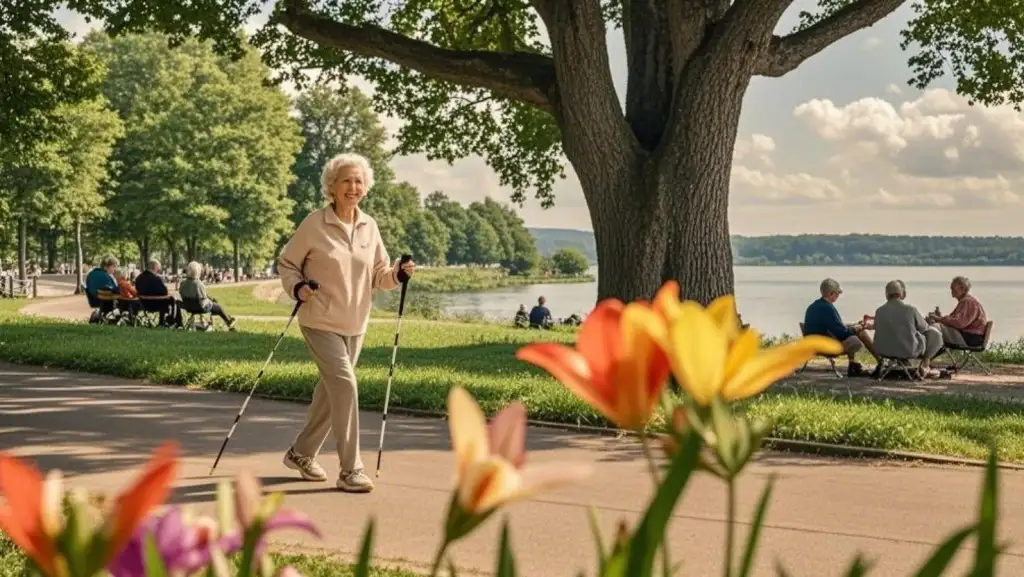
1. Walking
Benefits: Boosts heart health, strengthens leg muscles, and improves mood.
How to Do It:
- Aim for 30 minutes daily, outdoors or on a treadmill.
- Use supportive shoes and walk on even surfaces.
- Add Nordic walking poles for upper-body engagement and stability.
2. Chair Yoga
Benefits: Enhances flexibility, reduces stress, and improves posture.
Sample Poses:
- Seated Cat-Cow: Arch and round the spine while seated.
- Chair Pigeon: Cross one ankle over the opposite knee, gently press the bent knee downward.
- Seated Forward Bend: Stretch hamstrings by reaching toward your toes.
3. Swimming or Water Aerobics
Benefits: Buoyancy supports joints, making it ideal for arthritis sufferers. Builds endurance and works all major muscle groups.
Tips:
- Join a senior water aerobics class for social motivation.
- Use a kickboard to focus on leg strength.
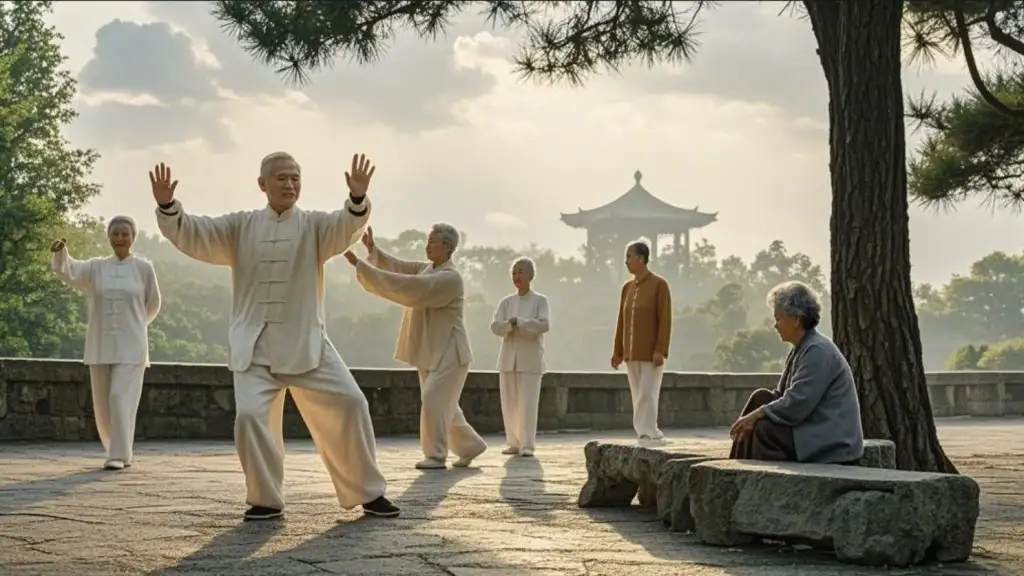
4. Tai Chi
Benefits: Improves balance, coordination, and mental focus through slow, flowing movements. Reduces fall risks by 45% (New England Journal of Medicine).
Beginner Moves:
- Cloud Hands: Shift weight while moving arms in circular motions.
- Wave Hands Like Clouds: Step side-to-side with coordinated arm sweeps.
5. Resistance Band Training
Benefits: Builds muscle without heavy weights. Ideal for osteoporosis prevention.
Exercises:
- Band Rows: Sit or stand, pull bands toward your chest.
- Leg Press: Loop a band around your feet and push forward.
- Bicep Curls: Step on the band and curl upward.
6. Stationary Cycling
Benefits: Strengthens legs and heart with zero joint impact.
Tips:
- Adjust resistance to match fitness levels.
- Try recumbent bikes for lower back support.
7. Pilates
Benefits: Strengthens core muscles, improves posture, and enhances mind-body connection.
Beginner Moves:
- Pelvic Tilts: Lie on your back, tilt hips to flatten the spine.
- Side-Lying Leg Lifts: Strengthen hips and glutes.
8. Seated Strength Training
Benefits: Safely builds muscle using bodyweight or light dumbbells.
Exercises:
- Seated Marching: Lift knees alternately while seated.
- Overhead Press: Lift light weights from shoulders to ceiling.
9. Gardening
Benefits: Combines light cardio, strength, and stress relief. Digging, planting, and weeding engage the whole body.
Safety Tip: Use knee pads or a gardening stool to avoid strain.
10. Dancing
Benefits: Boosts heart rate, coordination, and joy.
Styles to Try:
- Ballroom, line dancing, or seated dance routines.
Safety Tips for Seniors
- Consult Your Doctor: Get medical clearance, especially if managing heart disease, diabetes, or osteoporosis.
- Warm Up and Cool Down: Spend 5–10 minutes on gentle stretches or marching in place.
- Hydrate: Drink water before, during, and after workouts.
- Use Assistive Devices: Canes, walkers, or stability bars prevent falls.
- Listen to Your Body: Stop if you feel dizziness, chest pain, or extreme fatigue.
Sample Weekly Routine
Monday: 30-minute walk + 10-minute chair yoga
Tuesday: Water aerobics class
Wednesday: Resistance band training (20 minutes)
Thursday: Tai Chi session (30 minutes)
Friday: Stationary cycling (20 minutes) + seated strength exercises
Saturday: Gardening or dancing
Sunday: Rest or gentle stretching
Adapting Exercises for Limited Mobility
For seniors with arthritis, balance issues, or post-surgery recovery:
- Use chairs for support during standing exercises.
- Shorten durations: Break workouts into 10-minute sessions.
- Focus on range of motion: Gentle movements like ankle circles or shoulder rolls maintain joint health.
Nutrition for Active Seniors
Pair exercise with a nutrient-rich diet:
- Protein: 1.2–1.6g/kg of body weight daily to preserve muscle (e.g., eggs, Greek yogurt, lentils).
- Calcium & Vitamin D: Fortified milk, leafy greens, or supplements for bone health.
- Fiber: Whole grains, fruits, and vegetables aid digestion and energy levels.
Motivation Tips
- Join a Group: Senior centers often host low-impact fitness classes.
- Track Progress: Use a journal or app to celebrate small wins.
- Enlist a Buddy: Exercise with a friend for accountability and fun.
Case Study: From Sedentary to Strong at 70
Background: Margaret, 70, struggled with knee pain and fatigue after hip replacement surgery.
Routine:
- Weeks 1–4: Daily 15-minute walks + seated resistance band exercises.
- Weeks 5–8: Added water aerobics twice weekly.
- Weeks 9–12: Incorporated chair yoga and Tai Chi.Results: Margaret reduced knee pain by 50%, improved balance, and regained confidence to garden independently.
FAQs
Q: Can I exercise with osteoporosis?
A: Yes! Focus on weight-bearing, low-impact moves like walking or Tai Chi. Avoid forward bends or high-impact jumps.
Q: How often should seniors exercise?
A: Aim for 150 minutes of moderate activity weekly, per CDC guidelines.
Q: What if I have chronic pain?
A: Opt for water-based exercises and consult a physical therapist for personalized modifications.
Q: Are heated workouts (e.g., hot yoga) safe?
A: Generally not recommended due to dehydration and blood pressure risks.
Conclusion
Low-impact exercises empower seniors to stay active, healthy, and independent without compromising joint health or safety. By incorporating activities like walking, swimming, or Tai Chi into a regular routine, older adults can boost physical and mental well-being, reduce chronic pain, and enjoy a higher quality of life. Remember, it’s never too late to start—even 10 minutes of daily movement can make a profound difference. Prioritize consistency, listen to your body, and celebrate every step toward a stronger, more vibrant you.


