The teenage years are a critical window for establishing lifelong health and fitness habits. With growing bodies, evolving minds, and increasing independence, teens face unique challenges—and opportunities—to prioritize physical activity, nutrition, and mental well-being. However, today’s teens are navigating a world of screens, social pressures, and sedentary lifestyles. Nearly 80% of adolescents fail to meet the World Health Organization’s recommendation of 60 minutes of daily exercise, increasing risks of obesity, poor mental health, and chronic disease later in life. This guide empowers teens (and their parents) to build sustainable fitness habits, improve confidence, and lay the foundation for a healthy, active future.
Why Teen Fitness Matters
Regular exercise during adolescence offers benefits that extend far beyond physical health:
- Brainpower Boost: Physical activity improves focus, memory, and academic performance by increasing blood flow to the brain.
- Mental Health: Exercise reduces symptoms of anxiety, depression, and stress by releasing endorphins and regulating cortisol.
- Body Confidence: Strength and skill development foster self-esteem and a positive body image.
- Social Connection: Team sports or group workouts combat loneliness and build friendships.
- Disease Prevention: Active teens lower their risk of type 2 diabetes, heart disease, and osteoporosis.
The habits formed during these formative years often stick into adulthood, making teen fitness a long-term investment.
How Much Exercise Do Teens Need?
The WHO recommends:
- Aerobic Activity: 60 minutes daily of moderate-to-vigorous exercise (e.g., brisk walking, cycling, dancing).
- Strength Training: 3 days/week of muscle-strengthening activities (e.g., bodyweight exercises, resistance bands).
- Bone-Strengthening: 3 days/week of weight-bearing exercises (e.g., running, jumping, basketball).
But any movement counts! Short bursts of activity (e.g., walking to school, playing tag) contribute to daily goals.
Building a Balanced Fitness Routine
Teens should focus on variety to support overall development and prevent burnout:
1. Aerobic Exercise
Options:
- Sports: Soccer, swimming, tennis, or track.
- Recreational Activities: Skateboarding, hiking, or dance classes.
- Everyday Movement: Walking the dog, biking to friends’ houses.
Tip: Mix steady-state cardio (e.g., jogging) with intervals (e.g., sprinting between lampposts).
2. Strength Training
Safe, Effective Exercises (No Gym Required):
- Bodyweight: Push-ups, squats, lunges, planks.
- Resistance Bands: Rows, glute bridges, bicep curls.
- Household Items: Use water jugs or backpacks for weighted squats.
Avoid: Heavy lifting with poor form, which can harm growth plates. Focus on technique over weight.
3. Flexibility & Mobility
Why: Prevents injury, improves posture, and enhances sports performance.
Exercises:
- Dynamic stretches before workouts (leg swings, arm circles).
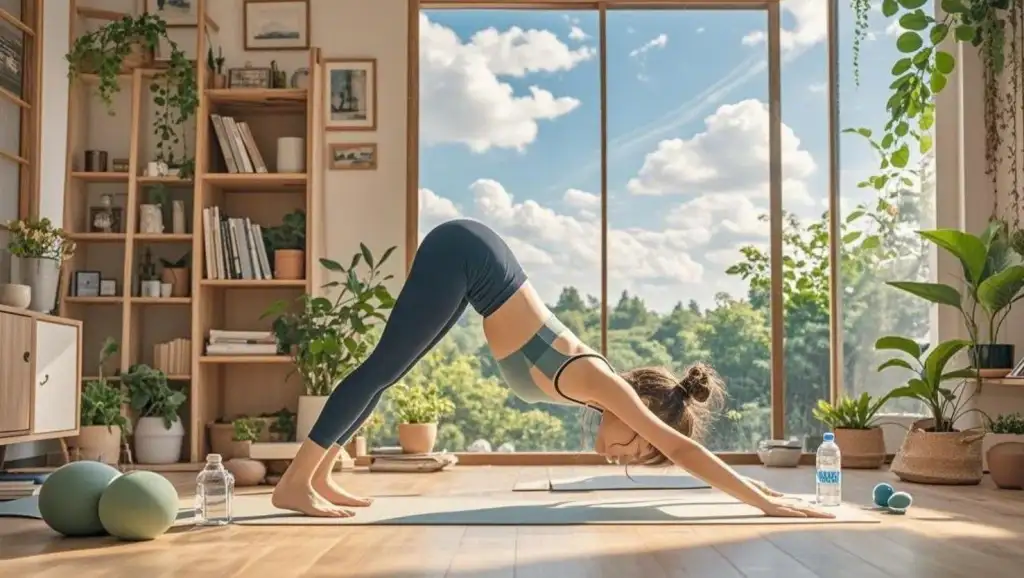
- Yoga or static stretches post-workout (child’s pose, hamstring stretches).
4. Play & Fun
Unstructured activity (e.g., trampolining, frisbee, TikTok dance challenges) keeps fitness enjoyable and reduces pressure.
Nutrition for Active Teens
Proper fueling supports growth, energy, and recovery:
Macronutrient Balance
- Protein: 1.2–1.6g/kg of body weight for muscle repair (chicken, eggs, Greek yogurt).
- Carbs: 45–65% of calories for energy (whole grains, fruits, veggies).
- Healthy Fats: 25–35% for hormone health (avocados, nuts, olive oil).
Hydration
- Aim for 8–10 cups of water daily; add electrolytes during intense workouts.
Snack Smart
- Pre-Workout: Banana + peanut butter.
- Post-Workout: Chocolate milk (carbs + protein) or trail mix.
Avoid Fad Diets
Teens are vulnerable to harmful trends like extreme calorie-cutting or “clean eating.” Focus on balance, not restriction.
Overcoming Common Barriers
Barrier 1: “I Hate Gym Class”
Solutions:
- Find non-competitive activities: Rock climbing, martial arts, or yoga.
- Work out with friends: Shoot hoops, try a dance video game, or join a hiking club.
Barrier 2: “I’m Too Busy With School”
Solutions:
- Study actively: Use a standing desk, pace while memorizing flashcards.
- Break workouts into 10-minute chunks: Morning yoga, lunchtime walk, after-school bodyweight circuit.
Barrier 3: “I Feel Self-Conscious”
Solutions:
- Home workouts: Follow YouTube routines (e.g., POPSUGAR Fitness).
- Focus on progress: Track strength gains or stamina instead of appearance.
Social Media & Fitness: A Double-Edged Sword
While platforms like TikTok and Instagram can inspire, they often promote unrealistic standards. Teens should:
- Follow Positivity: Seek accounts that celebrate diverse bodies and emphasize health over aesthetics.
- Limit Comparisons: Remember that influencers often use filters, angles, and extreme regimens.
- Unplug: Schedule screen-free time to reconnect with intuitive movement.
Sample Weekly Routine for Teens
Monday:
- 30 mins basketball practice
- 10 mins resistance band circuit (rows, squats, glute bridges)
Tuesday:
- 20 mins bike ride to school
- 40 mins dance class
Wednesday:
- 15 mins yoga flow (YouTube video)
- 45 mins swimming with friends
Thursday:
- 30 mins bodyweight workout (push-ups, lunges, planks)
- 30 mins walk while listening to a podcast
Friday:
Saturday:
- Hike or skateboard at the park
Sunday:
- Rest day or gentle stretching
Parental Support: Do’s and Don’ts
Parents play a crucial role in fostering healthy habits:
Do:
- Model an active lifestyle: Family walks, weekend bike rides.
- Provide nutritious snacks: Cut-up veggies, hummus, fruit.
- Encourage, don’t pressure: Celebrate effort over outcomes.
Don’t:
- Criticize body size or eating habits.
- Force sports or activities they dislike.
- Use exercise as punishment (e.g., “Run laps for bad grades”).
Case Study: From Couch to Confidence
Background: Emma, 15, avoided PE class due to insecurities about her weight.
Plan:
- Weeks 1–4: Daily 20-min home yoga sessions.
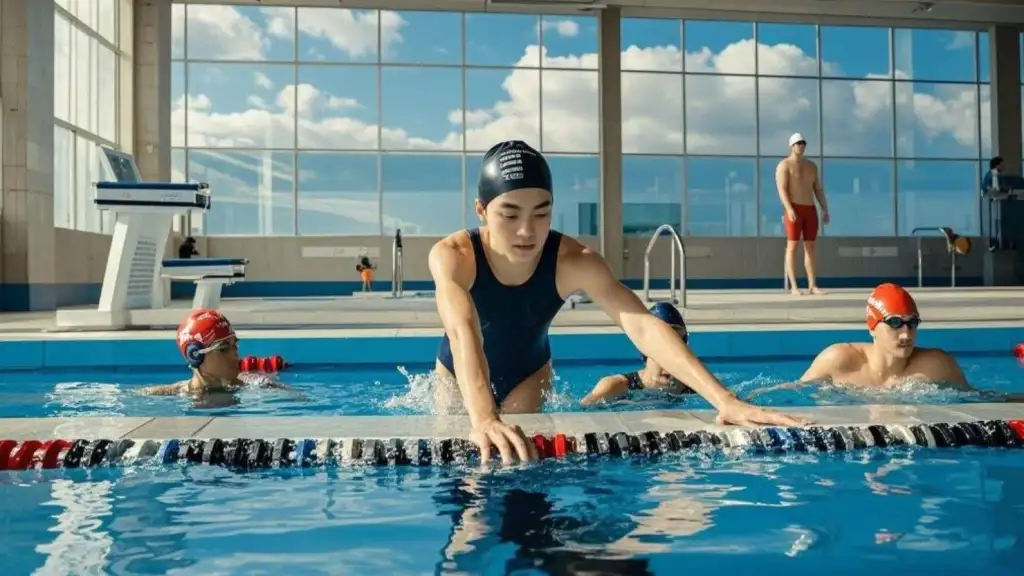
- Weeks 5–8: Joined a recreational swim team with a friend.
- Weeks 9–12: Incorporated bodyweight circuits 3x/week.Results: Emma gained strength, made new friends, and signed up for a 5K charity walk.
FAQs
Q: Can lifting weights stunt growth?
A: No—when done with proper form and light weights. Avoid maximal lifts until growth plates close (late teens).
Q: How do I stay motivated?
A: Set small goals (e.g., 10 push-ups/day), join a club, or reward milestones with non-food treats (e.g., new workout gear).
Q: Is it normal to feel sore after workouts?
A: Yes, but persistent pain could signal injury. Rest and consult a coach or doctor if needed.
Q: Can I exercise during my period?
A: Absolutely! Light activity may ease cramps. Adjust intensity based on how you feel.
Conclusion
Building healthy fitness habits as a teen isn’t about perfection—it’s about finding joy in movement, nourishing your body, and respecting its needs. Whether you’re a star athlete or a self-proclaimed couch potato, small, consistent steps can lead to lasting change. Prioritize activities you enjoy, surround yourself with positive influences, and remember that fitness is a journey, not a destination. The habits you build today will empower you to thrive in adulthood, both physically and mentally. Your future self will thank you.


